
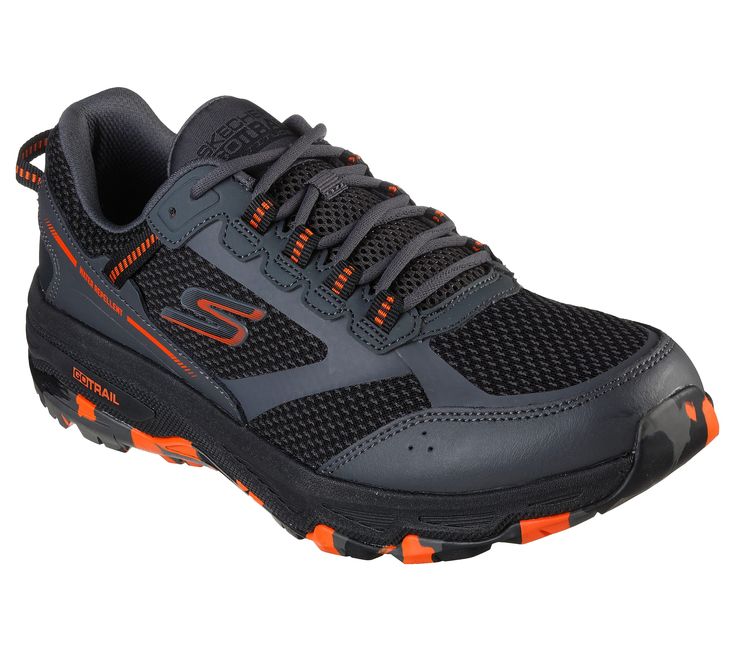
The world of sports and athletic footwear is in constant flux, with consumers demanding shoes that offer enhanced comfort, performance, durability, and style. In addition to advancements in cushioning, materials and outsole technology, another important aspect that frequently goes unnoticed is how flexible the seams are.
The seams are the bonds between all parts of footwear such as upper, lining, reinforcement and decoration. In a sport or athletic shoe these seams are either continually bent, stretched, compressed, or moved. The seams must be sufficiently flexible to allow free movement of the foot without causing discomfort and also prevent early failure of the product. Flexible seams offer the foot a degree of freedom to move around but still provide an integrated structural support.
With the advancement of special shoes for running, training, basketball, soccer, and hiking, the role of seam flexibility has become an important consideration for designers, engineers, and manufacturers.
Understanding Seam Flexibility
Seam flexibility is the ability of a stitched seam to flex, extend, and retract over and over without breaking, distorting or destroying the materials in the vicinity of the seam. Athletic shoes have to undergo thousands of flexing cycles during their useful life cycle, compared to static products.
Footwear seams are under stress with every step, jump, sprint or change of direction. These movements are supported by flexible seams that let materials move in harmony with each other—without stopping.
Several factors make up the flexibility of a seam:
- Sewing thread properties
- Stitch type
- Seam construction
- Material characteristics
- Sewing parameters
If balanced correctly, the end-result is to get more comfortable footwear, longer lasting and better performance.
Why Seam Flexibility Matters in Athletic Footwear
- Supporting Natural Foot Biomechanics
The human foot is designed to move dynamically. It bends at several places under different loads when walking and running.
Sport shoes should be designed to enable these movements, not to prevent them. The shoe upper is flexible and helps the shoe to adjust to foot movement without causing resistance.
This results in:
- Improved freedom of movement
- Enhanced flexibility during activity
- Improved overall comfort
- More efficient athletic performance
Seams that are too stiff can disrupt natural biomechanics and hinder some of the most advanced footwear designs.
2. Enhancing Wearer Comfort
Comfort is one of the top factors considered when buying sports shoes. Seam flexibility adds greatly to overall comfort by making it less pressured and irritated.
Flexible seams help:
- To avoid rubbing against the foot
- Reduce frictional force when moving
- Minimize pressure points
- Improve fit adaptability
During training and competition, athletes are often required to wear shoes for quite a while. Small issues around any seams can compromise performance and user satisfaction.
3. Improving Fit and Adaptability
Advanced athletic shoes often feature engineered mesh, knit fabrics, and stretchy material that accommodates the shape and fit of the foot.
These materials may not measure up in adaptability if they have rigid seams. Flexible seams maintain the upper’s desired level of activity by allowing footwear to conform to changes in foot shape while in use.
This is particularly important in sports that involve rapid movements and varying load conditions.
The Relationship Between Seam Flexibility and Performance
Effective motion is critical for athletic performance. The shoes should enhance the athlete’s performance rather than detract from it.
- Better Energy Transfer
The flexible seams enable a smoother transition when walking, running, jumping. This allows one to sustain the transfer of energy from foot to ground.
Footwear that moves naturally with the athlete will require less effort fighting against resistance from “rigid” parts of the shoe.
2. Enhanced Agility
Sports like basketball, soccer, tennis, and volleyball are about changing directions and quick accelerations.
The following flexible seam constructions support:
- Faster foot movements
- Greater responsiveness
- Improved agility
- Better control
Runners enjoy shoes that quickly respond to their foot mechanics.
3. Reduced Fatigue
Limiting body movement, such as with some shoes, can also cause fatigue over time depending on how long the event is.
Light flexible seams will enhance comfort and mobility so that the athlete can perform well for longer durations.
The Role of Sewing Threads in Seam Flexibility
Choosing the right thread is an important consideration in seam performance.
1. High-Performance Polyester Threads
The properties of polyester sewing thread make them popular for use in sports shoes and high-performance clothing, as they offer:
- Excellent tensile strength
- Controlled elongation
- Superior abrasion resistance
- Good recovery properties
These properties contribute to seams being flexible and lasting.
2. Core-Spun Threads
Core spun threads have a strong filament core on the outer surface which has a softer wrap, providing a good combination of strength and flexibility.
These threads are especially suited for use in athletic situations that require high levels of stress.
3. Elastic and Specialized Threads
Some shoe designs feature special types of sewing machine thread that add extra stretch and recovery qualities to the seams, which further enhance the movement of the seams.
Factors Influencing Seam Flexibility
There are a number of manufacturing factors that influence seam performance.
1. Stitch Type
Multiple stitch formations will offer different levels of flexibility.
For example:
- Lockstitches provide strength and longevity.
- Chain stitches offer more flexibility.
- Multi-thread stitches can improve flexibility while maintaining strength.
2. Stitch Density
Too many stitches can cause the seams to become stiff and too few can cause parts of the seams to become weak.
In reality, depending on the material and use, manufacturers need to optimize the stitch density.
3. Material Selection
Depending on how flexible the upper is, it will mean there will be a greater or lesser effect on the behavior of the seams. For textiles that need to move, like stretchable knits, engineered meshes, and performance, seams must move with them.
4. Sewing Parameters
Flexibility and the quality of the seam are affected by factors of thread tension, needle size, speed of sewing, and type of seam.
Testing Seam Flexibility in Athletic Footwear
There are different ways manufacturers test seams to understand their performance prior to products being sold to consumers.
Common tests include:
- Flex resistance testing
- Seam fatigue testing
- Tensile strength evaluation
- Abrasion resistance assessment
- Wear simulation testing
These evaluations help ensure seams can withstand the demanding conditions associated with athletic activities.
Future Trends in Flexible Seam Technology
Continued innovations in footwear production enhance the function of seams.
Emerging innovations include:
- Advanced high-performance sewing threads
- Automated precision stitching systems
- Seam constructions optimised by digital modelling
- Hybrid stitched and bonded assemblies
- Enhanced flexibility properties smart textiles
These advancements would allow manufacturers to design footwear that is more comfortable, longer-lasting and performs better.
Conclusion
A key feature in the design of sports and athletic shoes is seam flexibility. Flexible seams make shoes more comfortable, fit better, help with athletic performance, and last longer by allowing the shoe to move with the foot. The choice of thread, types of seams, compatibility and control of materials all influence the nature of the piece of footwear.
For athletes who are always looking for a light, high-performance shoe, consumers need to have greater freedom of movement and durability as well as strength. By leveraging cutting-edge materials, innovative sewing techniques, and extensive testing, footwear manufacturers can develop footwear that continues to endure and remain comfortable under the most intense sports demands.