
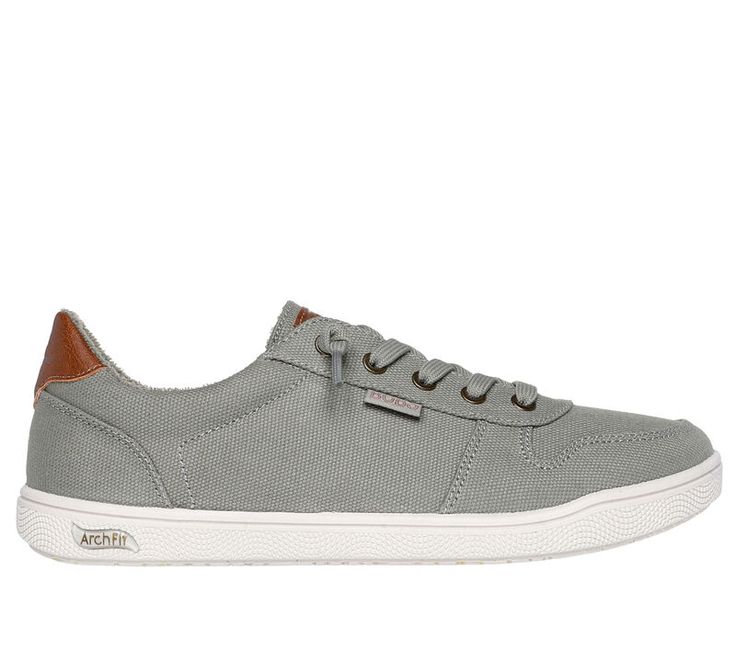
Leather footwear is known for its high-class quality, elegance, and durability. But the strength and durability of a leather shoe will depend not only on the leather but also on how well the leather is joined together with a stitch made by the sewing thread. Choosing the perfect sewing thread, whether for a formal shoe or for safety, fashion, or outdoor shoes, is crucial for creating solid seams, amazing looks, and shoes that last forever.
When making clothing on leather soles, it is necessary to make a right-threading choice depending on the types of leather, manufacturer productivity, environmental conditions, stitch performance, and strength of the thread. The selection of a suitable thread is essential for leather footwear to resist wear and tear and retain both its durability and style.
Why Sewing Thread Matters in Leather Footwear
Leather is a strong yet challenging fabric that puts strain on stitched seams. A shoe goes through repetitive flexing, extensions, rubbing, and stress from changes in temperature and humidity during production and in its use. When the thread is not strong enough or not suitable for the leather, seams can weaken, resulting in product failures and expensive rework.
Sewing threads are made from high quality, and they give you:
- Strong seam construction
- Long-term durability
- Improved appearance
- Enhanced production efficiency
- Reduced seam failures
- Improved environment resistance performance
As regards the manufacturing of stitched footwear, the thread is one of the most vital elements of the process, and the user must consider it as a functional element and not merely a consumable material.
Select the Right Thread Material
One of the key things to consider when picking the sewing thread would be picking the right fiber material.
1. Polyester Thread
One of the most common thread materials used in the manufacture of leather footwear is polyester material due to the following reasons:
- High tensile strength
- Excellent abrasion resistance
- Superior UV resistance
- Moisture resistance
- Good color retention
- Cost-effective performance
Polyester thread can be used for casual shoes, sports shoes, work boots, and fashion leather products. Polyester embroidery thread can be used for embroidery work on footwear.
2. Nylon Thread
Nylon thread is known for its exceptional strength and flexibility. It is widely used in industrial boots, as it has the following benefits:
- Excellent elasticity
- Outstanding wear resistance
- High seam strength
- Strong impact resistance
Nylon, however, is less resistant to UV exposure than polyester and is appropriate for product lines designed to be used in a setting that will not be exposed to UV rays for particularly long periods.
3. Bonded Threads
Bonded polyester or bonded nylon thread is a popular choice among many leather shoe production companies. The special bonding treatment provides protection to prevent fraying, increase abrasion resistance, and prevent thread breakage during high-speed sewing.
They do produce smoother stitching and more consistent seams, too, due to bonded threads.
Consider Thread Strength
The strength of the thread should correspond with the thickness of the skin and how the shoe will be used.
For example:
- Lightweight fashion shoes should be subject to finer threads that give a graceful look.
- Casual leather shoes usually use medium-strength threads, which ensure effective performance.
- For industrial safety shoes and hiking boots, a stronger thread must be used that can withstand more pressure.
The problem is if you use too thin of a thread, it might end up failing in the seam, or if you use too thick of a thread, the seams will become bulky and will damage the delicate leather.
The strength of the item should always be balanced for the aesthetics of the manufacturer.
Ensure Flexibility and Fatigue Resistance
Over the course of its lifespan, footwear is subjected to millions of cycles of bending. Each step re-stresses the stitched seam in multiple ways.
The best sewing thread is one that will withstand repeated bending, flexing, cracking, and breaking without losing its strength.
Flexible threads improves the following:
- Walking comfort
- Seam durability
- Product lifespan
- Overall footwear reliability
Choosing proper threads for high flex will minimize potential seam fatigue over time.
Prioritize Colorfastness and Appearance
The main thing that affects how leather footwear looks is the thread.
Consistent color and finish are particularly important for decorative stitching, which also uses it as a design feature.
Manufacturers should select threads that have:
- Excellent colorfastness
- UV stability
- Uniform dyeing
- Smooth surface finish
- Minimal fading
Good stitching and good-looking seams are created with good-quality thread.
Optimize Sewing Performance
To achieve efficient manufacture of product, thread must offer consistent performance on high-speed industrial sewing machines.
Premium sewing threads reduce the following:
- Thread breakage
- Needle heating
- Machine downtime
- Skipped stitches
- Uneven seam formation
- Frequent maintenance interruptions
Smooth-running threads increase production efficiency while maintaining consistent product quality.
Confirm Compatibility with Leather Type
There are different types of leathers that have different qualities of stitching.
Examples include:
- Full-grain leather
- Top-grain leather
- Nubuck
- Suede
- Corrected-grain leather
- Synthetic leather alternatives
Depending on the soft or thick leather, smaller or larger needle sizes and stronger bonding threads might be needed.
If you use various leather types, testing threads against each one will ensure they are all stitched the same.
Consider Sustainability
Sustainability is a THING in shoemaking. A number of brands now opt for recycled polyester threads or ones that are manufactured responsibly for the environment.
Eco-friendly thread options help manufacturers to:
- Reduce environmental impact
- Support sustainability initiatives
- Meet customer expectations
- Comply with evolving regulations
When suppliers are certified, they enable transparency along the supply chain without compromising performance.
Work with Trusted Thread Suppliers
Reliable suppliers of threads supply not just the threads, but they also offer the technical details of the product, quality assurance, and uniform manufacturing.
When choosing a supplier, manufacturers should consider the following:
- Product consistency
- Technical support
- Quality certifications
- Batch traceability
- Global supply capabilities
- Innovation in thread technology
Building strong long-term relationships with trusted suppliers helps to guarantee a consistent supply of footwear and steady production.
Test Before Full-Scale Production
After choosing a thread, manufacturers need to perform detailed testing before starting mass production.
Important evaluations include the following:
- Tensile strength testing
- Seam strength testing
- Flex resistance
- Abrasion resistance
- Colorfastness
- Stitch appearance
- Production efficiency
Pilot production runs tests for potential problems before the manufacturing process scales up to mass production.
Conclusion
The selection of the optimal leather footwear-making sewing thread must strike a balance between strength, durability, flexibility, appearance, and production efficiency. The right thread can not only connect shoes but also, with the products’ quality, prolong use time and increase industrial production efficiency.
Shoes can be designed to cater to a wide range of preferences and requirements while ensuring optimal performance and quality, solely by these factors. With all the variety of materials used and the advancing technology employed in leather sewing machines, the choice of sewing thread is a critical part of providing a finished product that’s both functional and pleasing and that will also provide a long service life for both the manufacturers and the end consumer.